SLS and SLES Testing

SLS and SLES Testing: Quantitative determination of sodium lauryl sulfate and sodium laureth sulfate using ion chromatography (IC).

Price per sample:

$550

Additional information

Turnaround Time

4 weeks

Sample Size

50 grams

Quantity

SLS and SLES Testing by Ion Chromatography

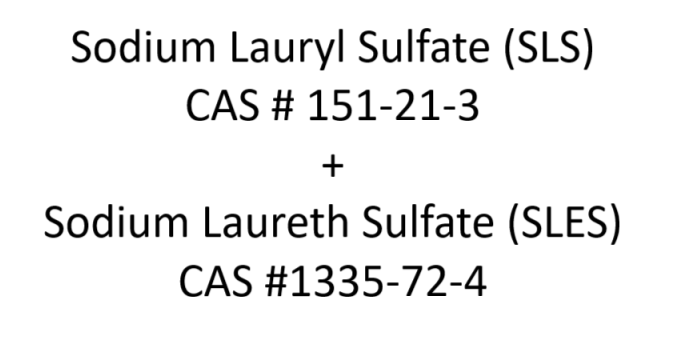
SLS and SLES testing measures the concentration of sodium lauryl sulfate (SLS, CAS No. 151-21-3) and sodium laureth sulfate (SLES, CAS No. 1335-72-4) in cosmetic, personal care, and cleaning product formulations. Pentyl Labs performs this analysis using ion chromatography (IC) to provide accurate and reproducible surfactant quantification.

SLS and SLES are widely used anionic surfactants that provide cleansing and foaming properties. They appear in products such as shampoos, body washes, facial cleansers, hand soaps, and household cleaners. Because surfactant levels affect both product performance and skin tolerance, accurate measurement supports formulation control and quality assurance.

Ion chromatography separates ionic components within a formulation and measures them with high precision. This method works well for surfactant systems and complex aqueous matrices. As a result, SLS and SLES testing provides reliable data even in products containing fragrances, preservatives, or other functional ingredients.

Manufacturers often request SLS and SLES analysis during formulation development, reformulation, or supplier qualification. Testing also supports batch-to-batch consistency checks and investigations related to product performance or consumer feedback. When surfactant levels drift from target ranges, analytical data helps guide corrective action.

SLS and SLES testing also supports regulatory and safety evaluations. Many brands monitor surfactant content to address irritation concerns, support internal safety assessments, or meet retailer requirements. Analytical results provide clear documentation for internal reviews and audit readiness.

Testing may be performed on raw materials, bulk formulations, or finished products. This flexibility allows manufacturers to assess surfactant content at different stages of production and product life cycle.

This service is commonly included within broader Chemical Analysis Services and Surfactant Testing Programs. Guidance from regulatory and scientific bodies supports the use of analytical testing to evaluate formulation composition and product safety.

Overall, SLS and SLES testing delivers dependable data that supports formulation accuracy, product quality, and informed decision-making across cosmetic and cleaning product categories.

Description

SLS and SLES Testing by Ion Chromatography

SLS and SLES testing measures the concentration of sodium lauryl sulfate (SLS, CAS No. 151-21-3) and sodium laureth sulfate (SLES, CAS No. 1335-72-4) in cosmetic, personal care, and cleaning product formulations. Pentyl Labs performs this analysis using ion chromatography (IC) to provide accurate and reproducible surfactant quantification.

SLS and SLES are widely used anionic surfactants that provide cleansing and foaming properties. They appear in products such as shampoos, body washes, facial cleansers, hand soaps, and household cleaners. Because surfactant levels affect both product performance and skin tolerance, accurate measurement supports formulation control and quality assurance.

Ion chromatography separates ionic components within a formulation and measures them with high precision. This method works well for surfactant systems and complex aqueous matrices. As a result, SLS and SLES testing provides reliable data even in products containing fragrances, preservatives, or other functional ingredients.

Manufacturers often request SLS and SLES analysis during formulation development, reformulation, or supplier qualification. Testing also supports batch-to-batch consistency checks and investigations related to product performance or consumer feedback. When surfactant levels drift from target ranges, analytical data helps guide corrective action.

SLS and SLES testing also supports regulatory and safety evaluations. Many brands monitor surfactant content to address irritation concerns, support internal safety assessments, or meet retailer requirements. Analytical results provide clear documentation for internal reviews and audit readiness.

Testing may be performed on raw materials, bulk formulations, or finished products. This flexibility allows manufacturers to assess surfactant content at different stages of production and product life cycle.

This service is commonly included within broader Chemical Analysis Services and Surfactant Testing Programs. Guidance from regulatory and scientific bodies supports the use of analytical testing to evaluate formulation composition and product safety.

Overall, SLS and SLES testing delivers dependable data that supports formulation accuracy, product quality, and informed decision-making across cosmetic and cleaning product categories.