

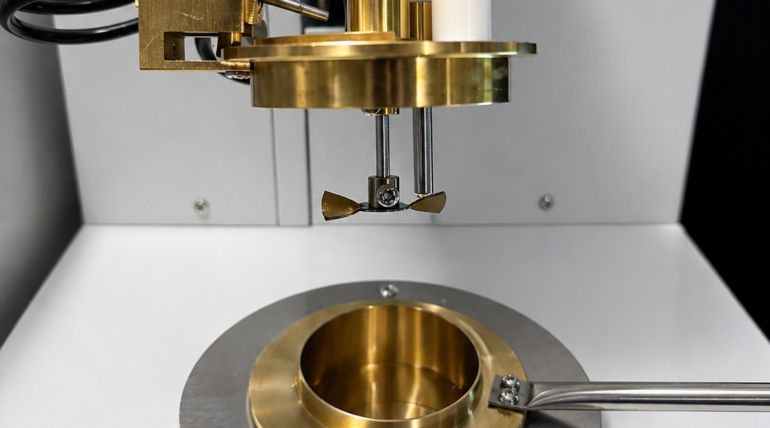
Flash point testing for cosmetics is a critical evaluation used to determine the lowest temperature at which a product emits vapors that can ignite. For products containing flammable ingredients—especially alcohol-based formulations—flash point data is essential for regulatory compliance, safe handling, storage, and transportation.
As cosmetic formulations become more complex and globally distributed, understanding flash point is no longer optional—it’s a key requirement for many brands, retailers, and regulatory frameworks.
What Is Flash Point?
Flash point is defined as the lowest temperature at which a liquid produces enough vapor to form an ignitable mixture with air under controlled conditions.
In cosmetics, this is particularly relevant for:
- Alcohol-based products (e.g., perfumes, body sprays, toners)
- Essential oil blends
- Solvent-containing formulations
- Aerosols and sprays
Products with lower flash points are considered more flammable and may require special labeling, packaging, and shipping classifications.
Why Flash Point Testing Is Important for Cosmetics
Flash point testing supports several key areas:
1. Regulatory Compliance
Many global regulations require flammability classification, including:
- Dangerous goods shipping (air, sea, ground)
- Safety Data Sheets (SDS)
- Workplace safety standards
2. Amazon and Retail Requirements
Major retailers and platforms like Amazon often request flash point data for:
- Hazmat classification
- Fulfillment center storage approval
- Listing approvals for alcohol-containing cosmetics
3. Safe Handling and Storage
Flash point helps determine:
- Proper storage conditions
- Fire risk during manufacturing or warehousing
- Packaging requirements
4. Product Development and Risk Assessment
Understanding flammability early can influence:
- Ingredient selection
- Reformulation decisions
- Consumer safety positioning
Common Test Method: ASTM D93
The most widely used method for cosmetic flash point testing is ASTM D93, also known as the Pensky-Martens closed cup method.
Why ASTM D93?
- Suitable for viscous liquids, creams, and gels
- Provides conservative (safer) flash point values
- Widely accepted for regulatory and transport purposes
How It Works:
- The sample is placed in a sealed test cup
- The temperature is gradually increased
- An ignition source is introduced at defined intervals
- The flash point is recorded when a visible flash occurs
Typical Flash Point Ranges in Cosmetics
| Product Type | Typical Flash Point Range |
|---|---|
| Alcohol-based toner | 20–30°C |
| Perfume / fragrance | 15–25°C |
| Hair spray | < 23°C (often flammable) |
| Creams / lotions | > 60°C |
| Oils (non-volatile) | 70–150°C+ |
Note: Actual results vary based on formulation.
When Is Flash Point Testing Required?
You should strongly consider flash point testing if your product:
- Contains ethanol, isopropanol, or solvents
- Is being sold on Amazon or major retailers
- Requires a Safety Data Sheet (SDS)
- Will be shipped internationally
- Is classified as a liquid or semi-solid cosmetic
Flash Point vs Fire Point
Flash point is often confused with fire point, but they are not the same:
- Flash Point → Temperature where vapor ignites briefly
- Fire Point → Temperature where sustained combustion occurs
For cosmetics, flash point is the primary parameter used for compliance.
Sample Requirements for Testing
Typical requirements include:
- ~50–100 mL of product
- Final packaged or bulk formulation
- Clear identification of sample type
Turnaround Time and Reporting
Flash point testing can typically be completed within:
- 1–3 business days (in-house testing)
Reports generally include:
- Test method (ASTM D93)
- Flash point result (°C)
- Observations and test conditions
How Pentyl Labs Supports Flash Point Testing
Pentyl Labs provides fast, reliable flash point testing using ASTM D93 to support:
- Amazon compliance
- SDS preparation
- Product safety validation
- Regulatory submissions
With rapid turnaround and clear reporting, Pentyl Labs helps brands move products to market quickly and confidently.
Final Thoughts
Flash point testing for cosmetics is a small step that plays a major role in product safety, compliance, and market access. Whether you’re launching a new alcohol-based product or ensuring compliance for retail distribution, understanding your product’s flammability is essential.

